Forget Trust Falls – Improv Training for Executive and High-Performing Teams
Improv training for executive teams is increasingly being used by organisations looking to improve leadership communication, decision-making under pressure, and team adaptability. This post explores why improv works so effectively with senior leadership groups, and what changes when experienced professionals are asked to work without scripts.
Several years ago, my comedy troupe, The Maydays, were asked to perform in a ‘high-performing teams’ showcase for a large corporate event. The lineup of high-performing teams included us, a shadow gymnastics group, a jazz trio, and Britain’s Got Talent famous street dance troupe, Flawless.
Apart from being a very fun show, it was really interesting to be ‘studied’ by 500 executives, all wanting to be close to that elusive magic of a genuinely high-performing team. This was a group curious about what makes great teams tick—particularly for executive teams aiming for peak performance. So, what did these seemingly unconnected groups have in common that defined them as high-performing teams?
Research shows that high-performing teams do share certain traits, and it turns out that improv training for executive teams may cultivate many of these same qualities. Collaboration, trust, and adaptability are key characteristics that make any team excel.
So, make yourself a cup of tea and read this blog about the top characteristics of high-performing teams, and how improv skills may hold the key to many of them.

What Is Improv Training for Executive Teams?
While we come from a comedy background at AndAlso, the focus for our applied improv training is not comedy or theatre. The only performing we are focusing on is the kind that happens off-stage. So we are looking at the skills we have developed as improvisers and applying them to a leadership context.
The Core Skills Executive Teams Develop Through Improv
1. Clear and Shared Goals
In improv, each scene starts with a basic framework—not a script, but a shared understanding. This gives players direction without boxing them in. The same applies to high-performing teams: they need clear goals and defined roles, but with enough flexibility for individual strengths to shine through. Improv teaches us to balance structure with freedom, making it easy for team members to know their purpose while still having room to create and contribute uniquely. In improv training for executive teams, this balance of guidance and flexibility becomes a core focus, aligning everyone’s contributions with a common goal.
2. Open and Transparent Communication
Improv is all about being present and listening deeply to your scene partners. There’s no room for half-listening; if you miss a cue, there is no safety net. In a team, strong communication means sharing ideas openly and actively listening to one another. Improv helps build this skill by encouraging people to stay fully engaged, creating an environment where every team member feels heard and valued. Experiential leadership training often includes these improv-based exercises because they build the communication skills critical for effective team collaboration.
3. Trust and Mutual Respect
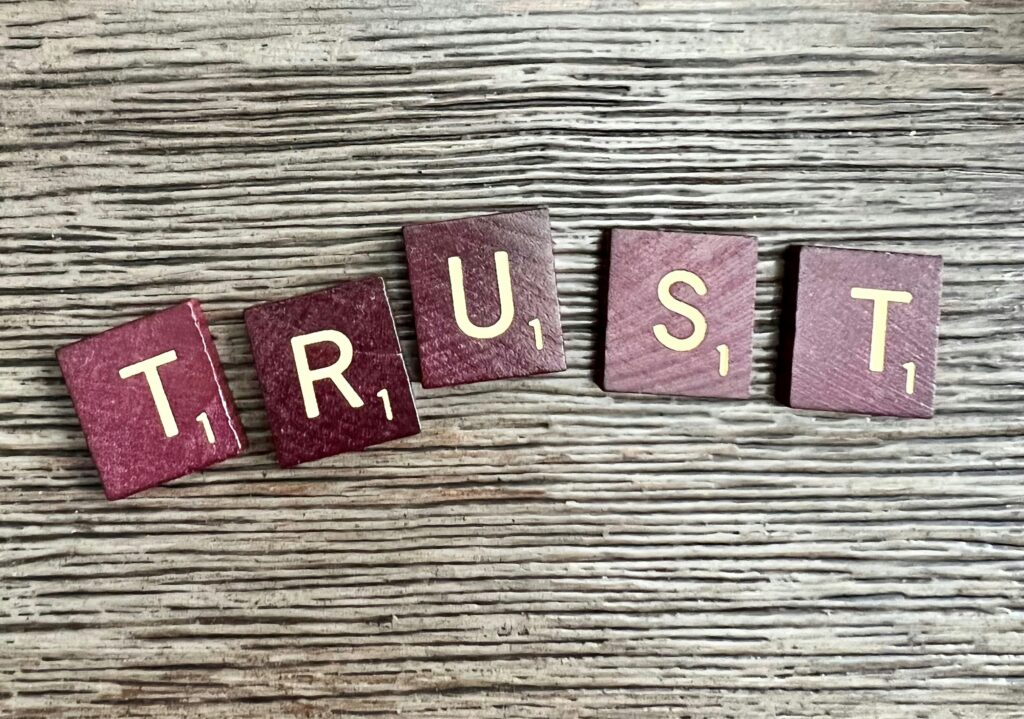
Trust is the backbone of any improv team. Improv teaches participants to trust each other and support each other’s choices, no matter how unexpected. High-performing teams thrive on this same trust, which allows members to take risks and suggest ideas without fear. When respect flows in both directions, teams feel safe exploring creative solutions to complex problems. This trust-building aspect of improv training for executive teams helps cultivate the courage and support needed for dynamic team environments.
4. Strong Sense of Accountability
In improv, every choice you make is visible and has an impact on the scene. There’s no way to pass the buck or avoid responsibility. Similarly, high-performing teams depend on each member taking responsibility for their work and their impact on others. Improv fosters accountability by creating a space where everyone is responsible for contributing and staying engaged, helping build a culture of reliability and trust within a team. High-performing team training that includes improv skills can strengthen each member’s sense of ownership and accountability.
5. Adaptability and Flexibility
One thing is guaranteed in improv: the unexpected will happen. There are no scripts to rely on, so players learn to adapt quickly and respond to whatever their partners throw at them. This adaptability is key for high-performing teams, too. Workplaces are full of unexpected challenges, and teams that can pivot and find solutions in real-time are the ones that thrive. Improv gives team members practice staying flexible, ready to adjust their approach when something new comes up. Experiential leadership training taps into this adaptability, preparing teams to handle any changes that come their way.
6. Commitment to Continuous Improvement
Improv is a learning journey — each scene, each game, and each show brings new insights. Teams that perform at a high level are also constantly learning and evolving. After every improv show, we take time to reflect: What worked? What could we do differently? We can never plan the performance because it’s improvised, but we can have a sense of what works and what to aim for. This commitment to continuous improvement builds resilience and growth, allowing teams to tackle new challenges with a fresh perspective. This is a mindset that improv training for executive teams actively fosters.
7. Positive Team Culture
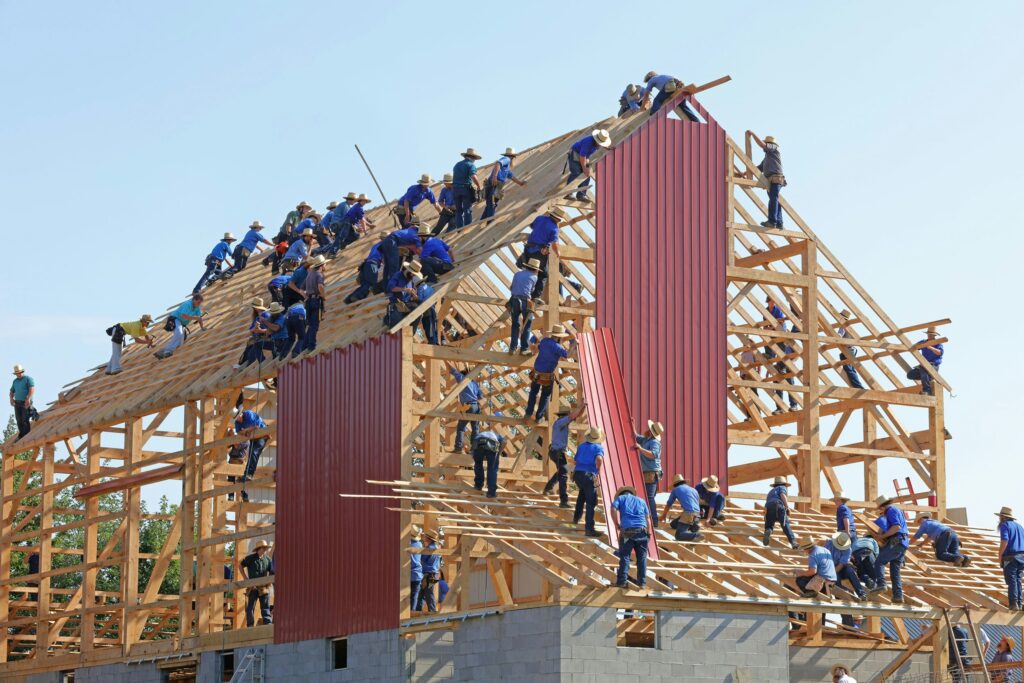
Improv is the ultimate team sport. There’s no room for solo stars; every person in the scene plays a part in building something bigger than themselves. The same is true for high-performing teams, where collaboration is key. Team members learn to celebrate each other’s successes and support each other’s contributions. Improv encourages this collective mindset by teaching participants to accept and build on each other’s ideas — with the principle of ‘bring a brick, not a cathedral.’
Every executive team is different.
We tailor every session around your organisation’s goals, culture and challenges. Before any training takes place, we’ll take the time to understand what success looks like for you.
Let’s Talk Book a Call
What are the Outcomes of Improv Training for Executive Teams?
When executive teams engage with improv training, the impact tends to show up quickly in how they communicate, collaborate, and respond under pressure. We tend to see:
- Improved communication under pressure
- More adaptive leadership behaviour
- Stronger team trust and responsiveness
- Better real-time collaboration
- Reduced over-reliance on hierarchy or “perfect answers”
Who Is Improv Training for Executive Teams Designed For?
- Senior leadership teams
- Executive boards
- Fast-moving organisations under pressure
- Teams navigating change, growth or complexity
Bringing Improv Training Into Your Leadership Team
So hopefully now you’ve finished your tea and had a read, I hope being part of a high-performing team feels more achievable to you than it did to those 500 executives. Being a high-performing team isn’t just for street dancers, jazz musicians, or comedians. The beauty of improv skills is that anyone can benefit from these practices, and the skills are directly transferable to the workplace. Improv training provides a low-stakes, high-fun environment to experiment with these team-building skills. By practising adaptability, trust, and collaboration in an improv setting, teams learn to apply these skills at work, building a foundation for high performance and strong interpersonal connections.
For organisations looking for a more structured, in-depth development experience, our programme The Improvised Leader takes these principles further. It is designed specifically for senior leaders who want to develop presence, adaptability and confidence in complex, fast-changing environments.
So if you’ve got a low-performing team, a high-performing bunch of individuals who need to come together, or even a high-performing team who want to maintain their level, then getting them to stretch their improv muscles through high-performing team training may just be your answer.
Let’s start the conversation
Whether you’re looking for a one-off leadership workshop, an executive away day or an ongoing development programme, we’d love to hear about your team.