Applied Improvisation Methodology
Applied improvisation is a practical approach to workplace learning
Through structured, collaborative exercises, participants practise the behaviours that help teams communicate, listen, adapt, create and work together under pressure.
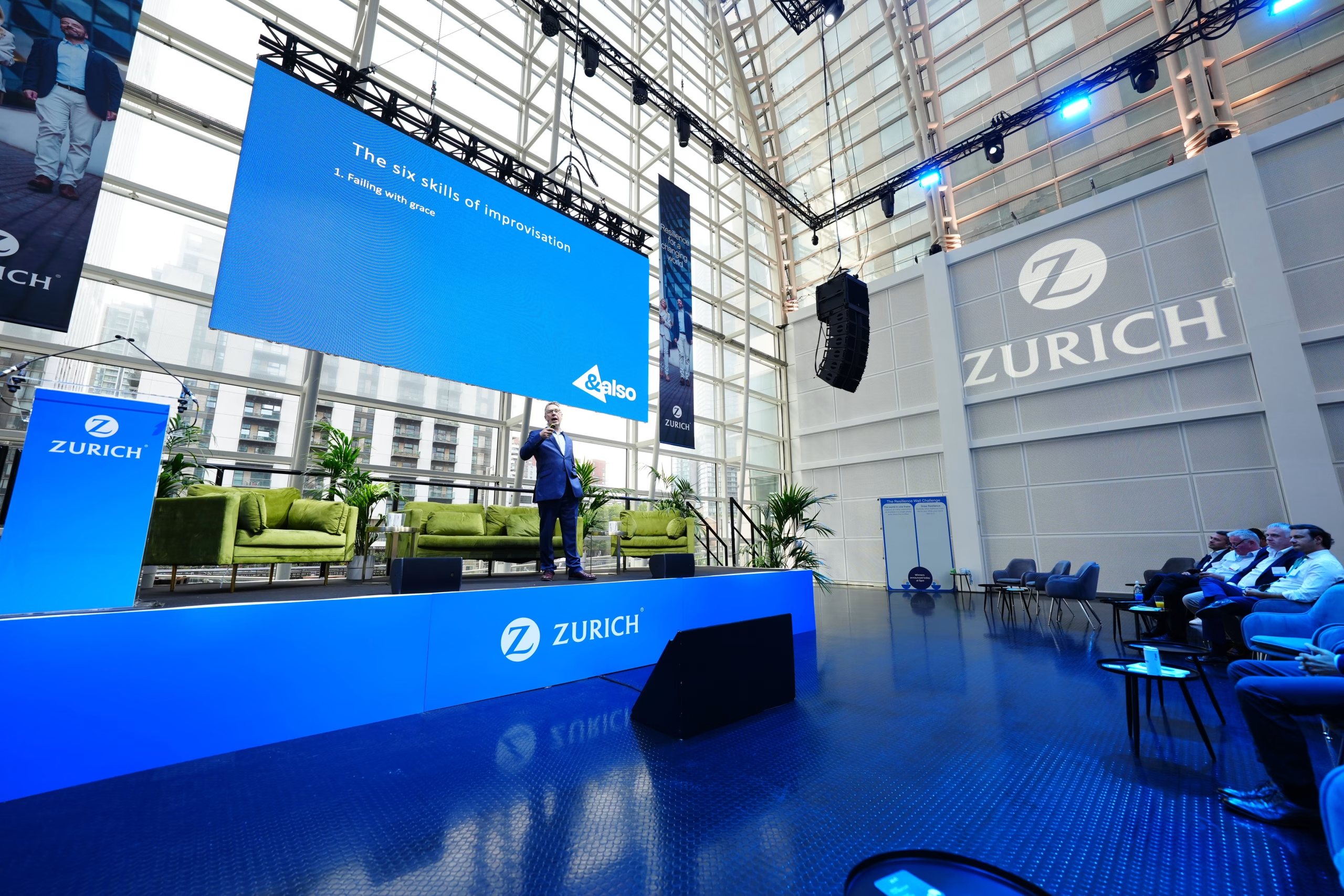
At AndAlso, our applied improvisation methodology is built around six core skills. We use these skills to design bespoke workplace improv training specifically for your people, culture and aims. A session might focus on team connection, leadership development, conference participation, role-play, or an existing learning and development programme. The format changes; the design always begins with the needs of the group.
What applied improvisation develops
Improv is often associated with performance and comedy, but the underlying skills are useful in many other contexts. Workplace improv training gives people a structured way to practise listening, responding, sharing ideas, making room for others, and staying engaged when the situation changes.
The aim is not to turn everyone into a performer. It is to create a practical space where teams can explore how they communicate and collaborate, then connect that experience to the work they actually do.
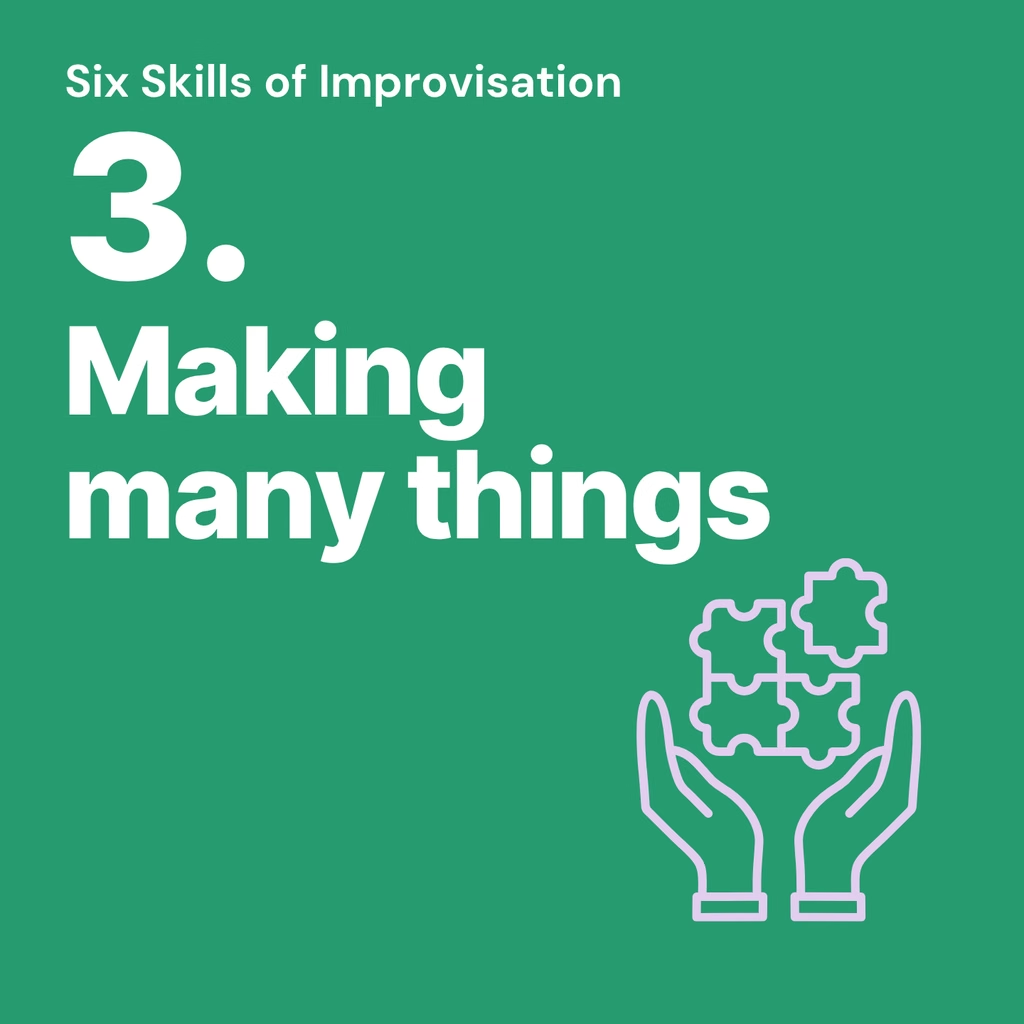
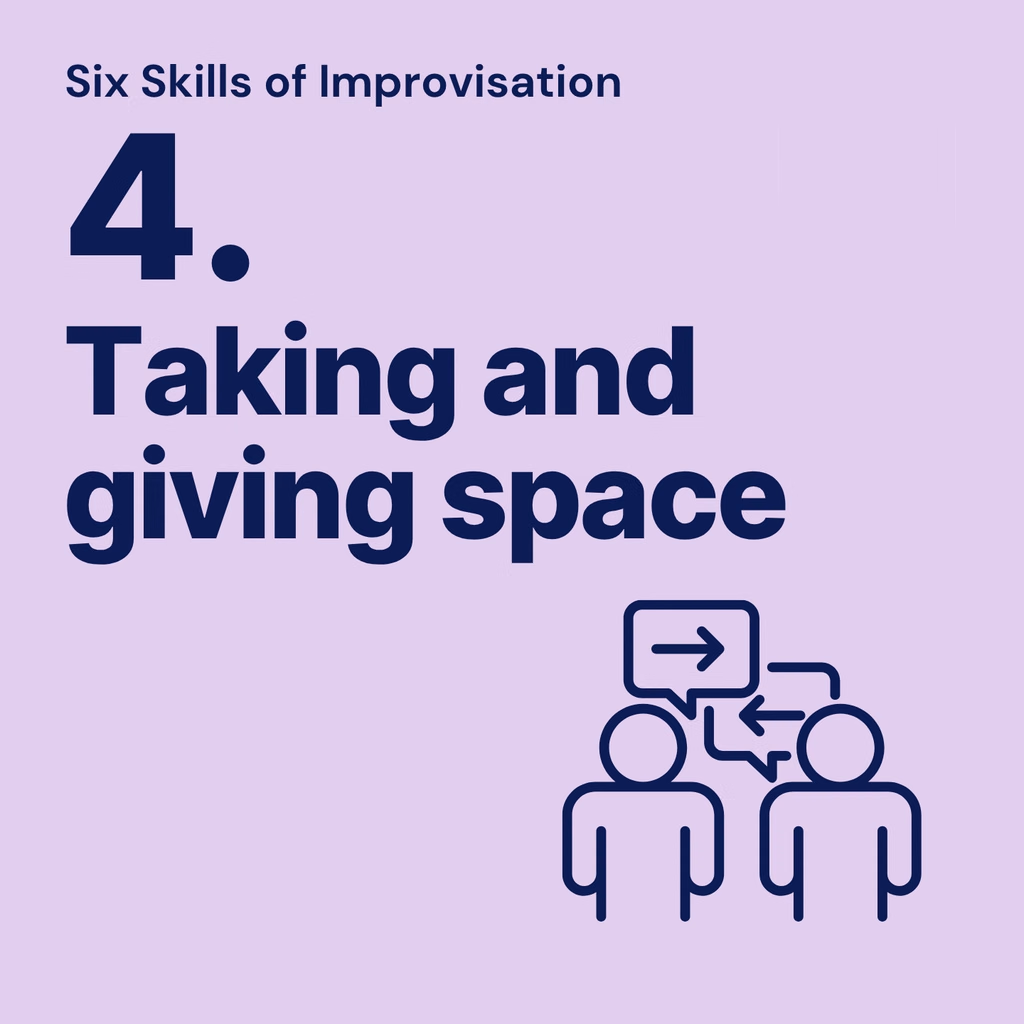
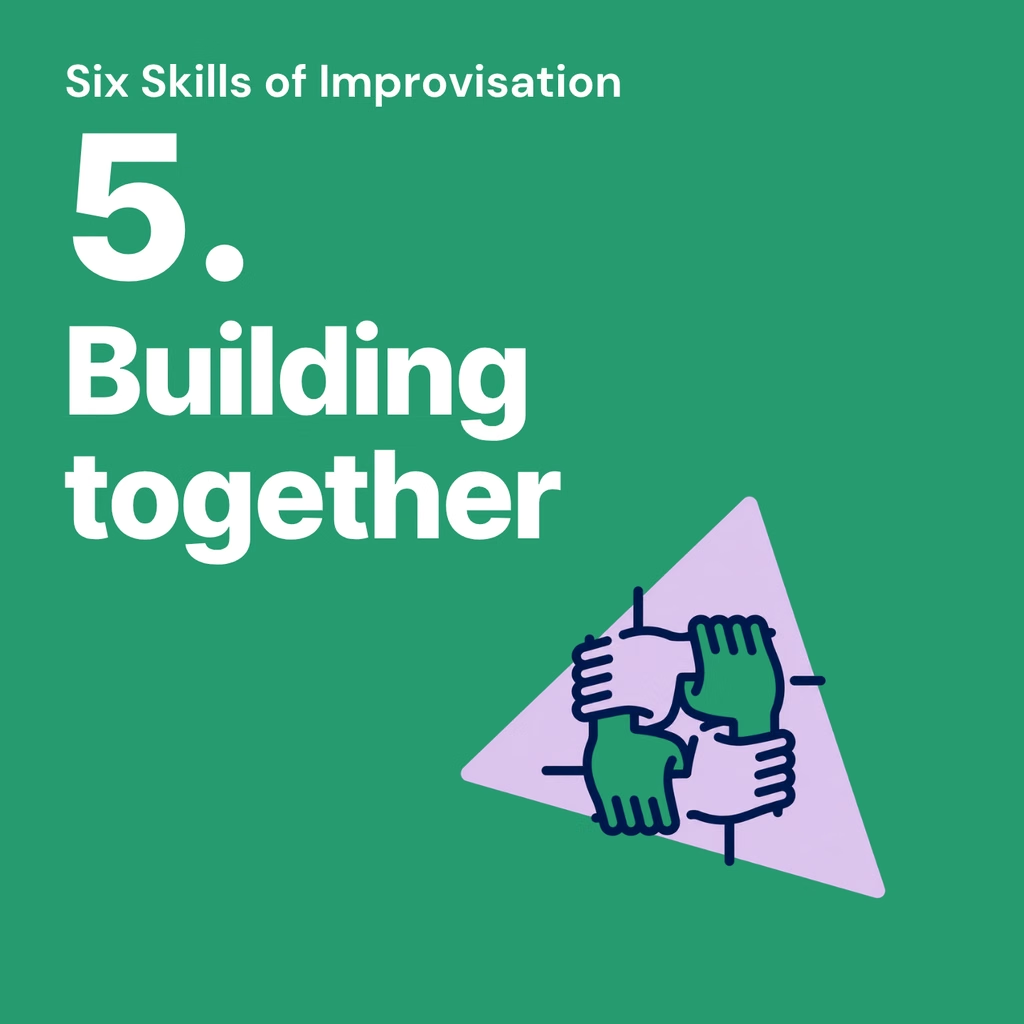
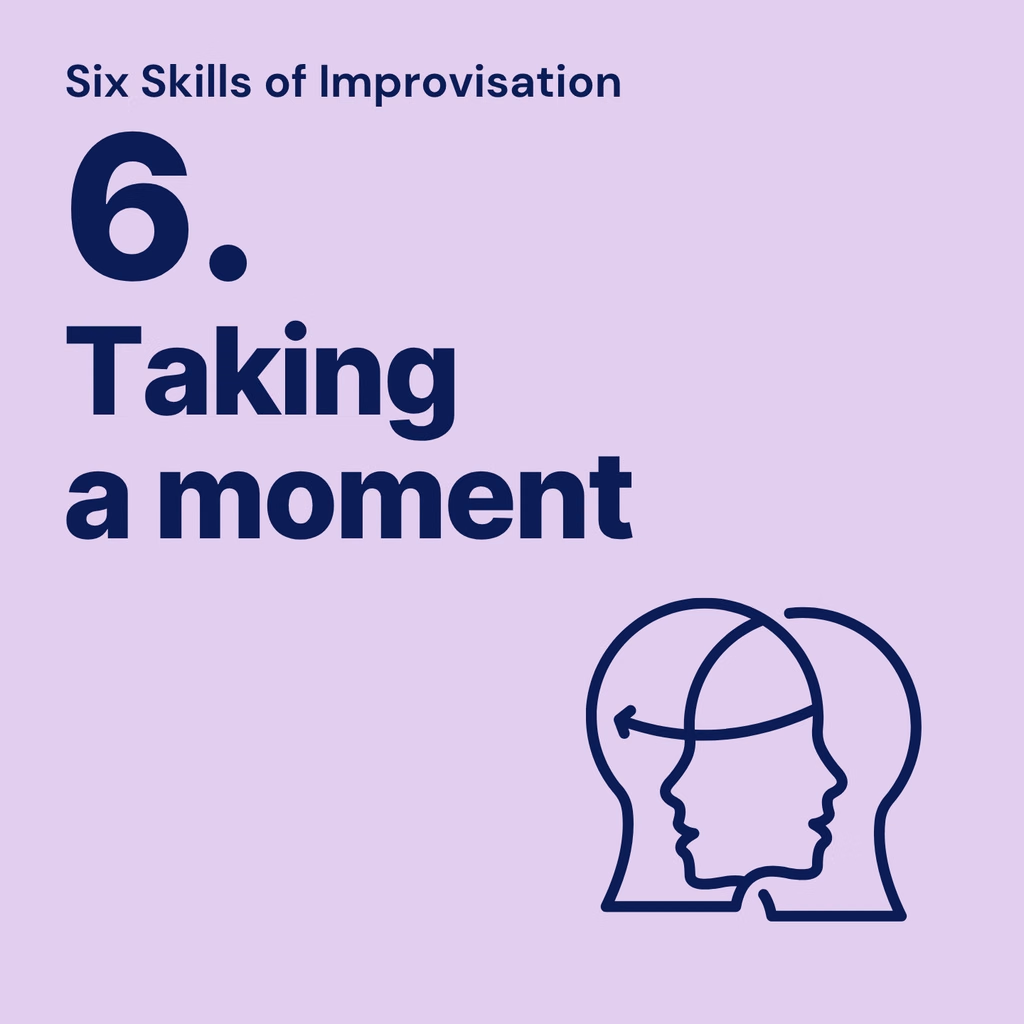
The Six Skills of Improvisation: The heart of our methodology
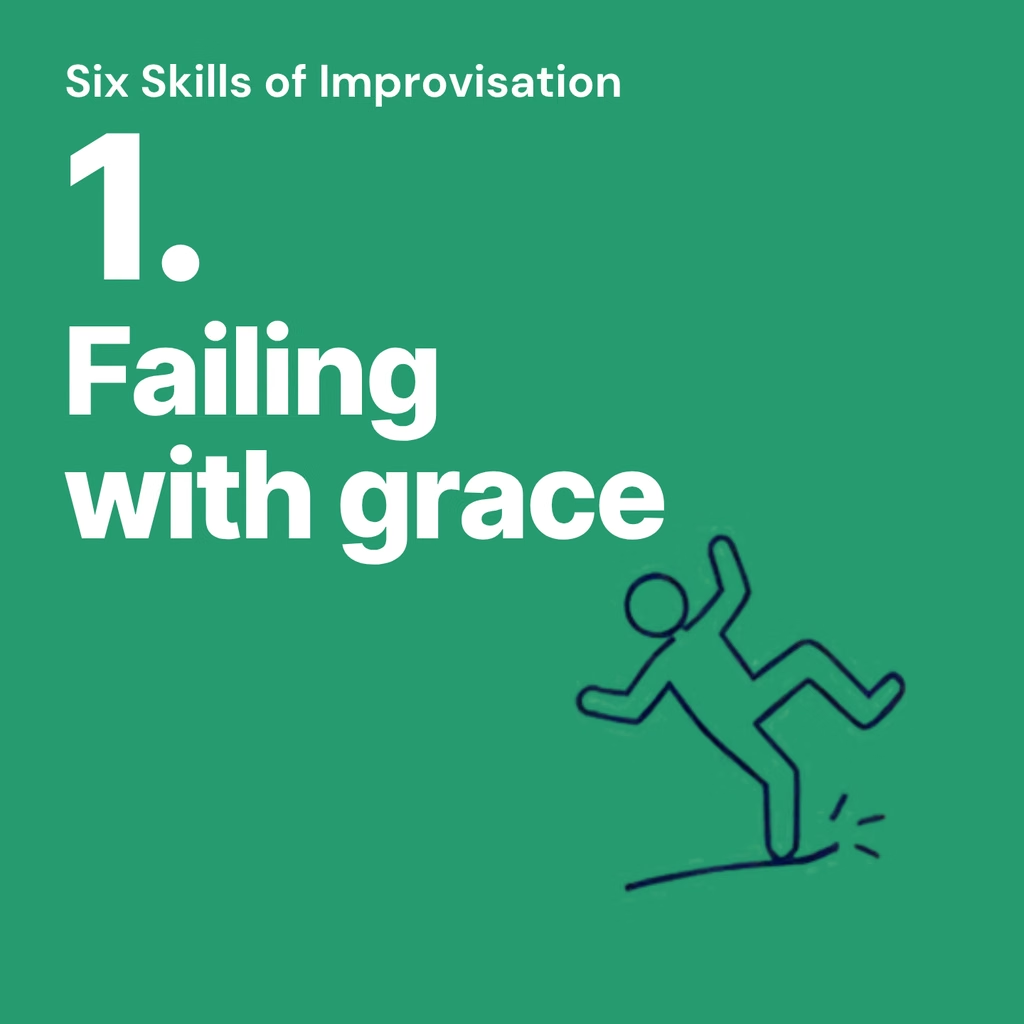
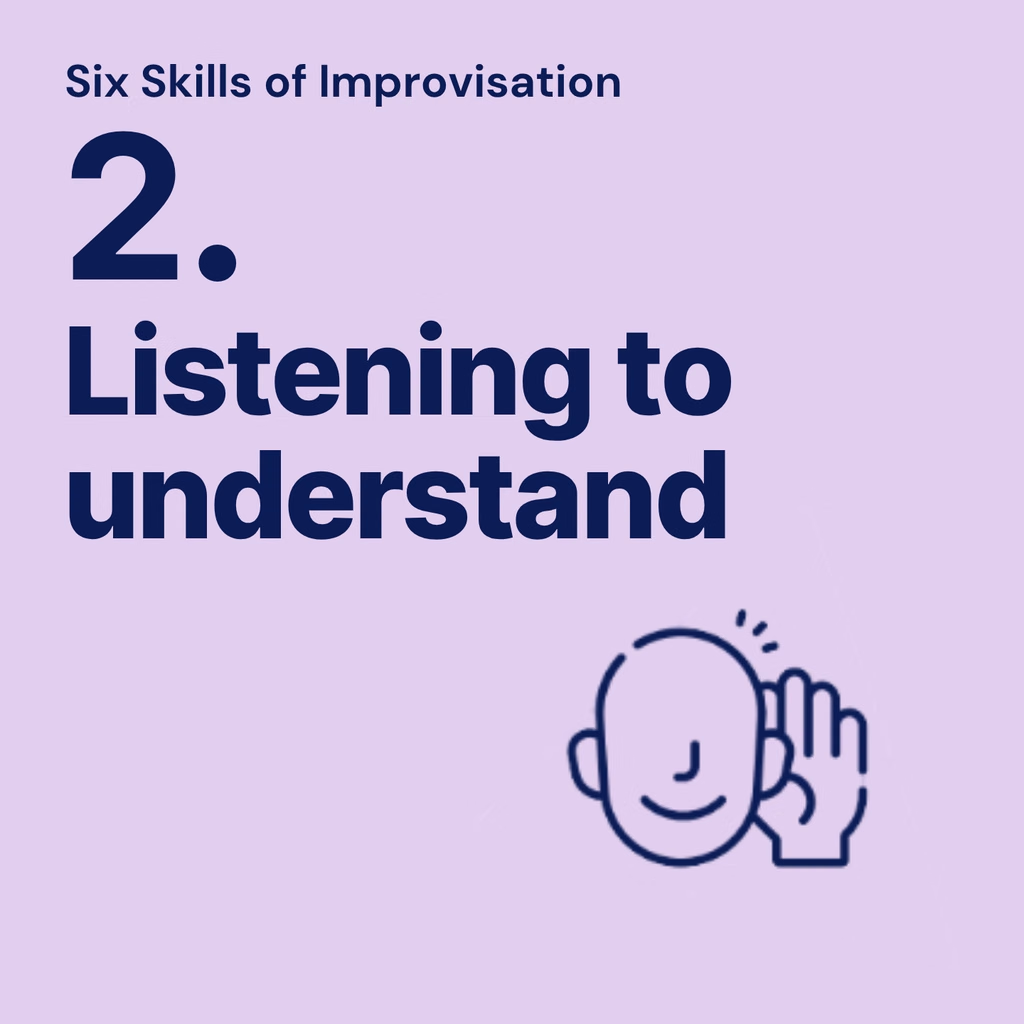
Our Six Skills framework gives every session a clear centre of gravity. The skills may be named explicitly, or they may sit underneath a workshop, performance or learning programme. Together, they offer a clear vocabulary for noticing what helps people work together.
Why laughter matters at work
We understand that the word “improv” is often associated with comedy, and some people worry they will have to be funny. Some AndAlso work includes music or performance; much does not. We design participation around the purpose of the session and the comfort of the group.
Laughter can help people relax and connect. In the right context, it can create energy for listening, cooperation, and shared learning. But the goal is not comedy for its own sake. The goal is to help people take part, think together, and explore useful workplace behaviours in a memorable way.
How we design workplace improv training
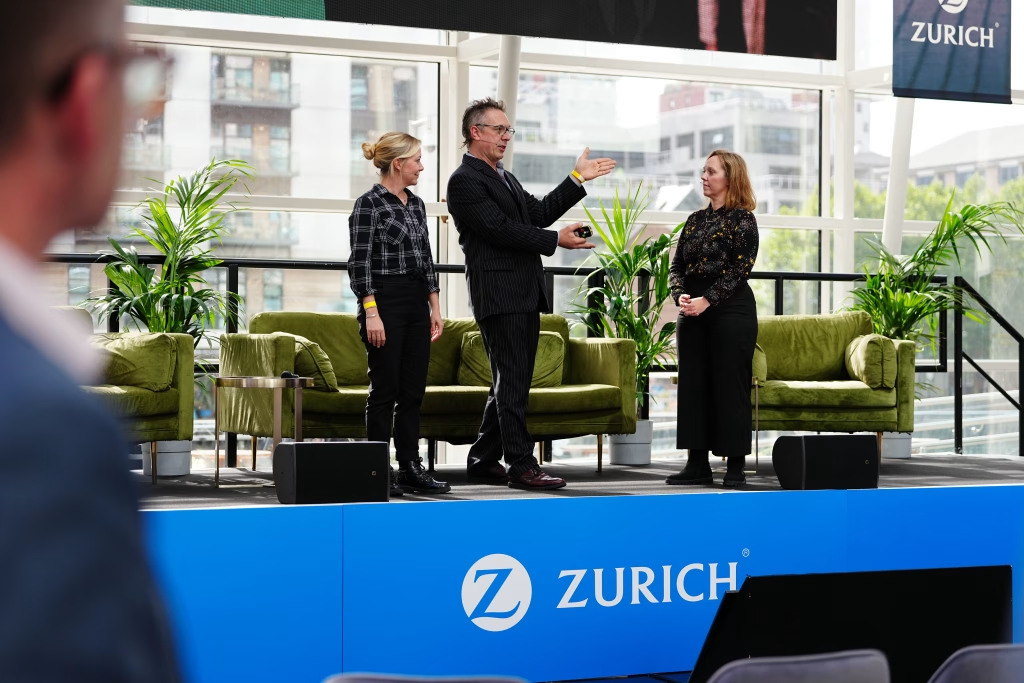
At AndAlso, nothing is off the peg. We start by understanding the group, the event and the outcome you are working towards. Then we create the right format, from a lively performance to a targeted workshop. We can also use improv methodology to support existing learning programmes.
How we work with you:
1. Listen to the brief: We gather context from the people commissioning the work and, where appropriate, from participants themselves.
2. Design the format: We match the experience to the group, time available, desired level of participation and learning need.
3. Shape the experience: We design the exercises, scenarios, performance or materials so that the session feels relevant rather than generic.
4. Support the next step: Where useful, we provide cards, booklets, follow-up sessions or training and support for internal “Improv Champions”.
Ways we can work with your team
The formats below are starting points, not fixed packages. We can adapt the balance of performance, participation, discussion and practice to suit the group and the work you want to do.
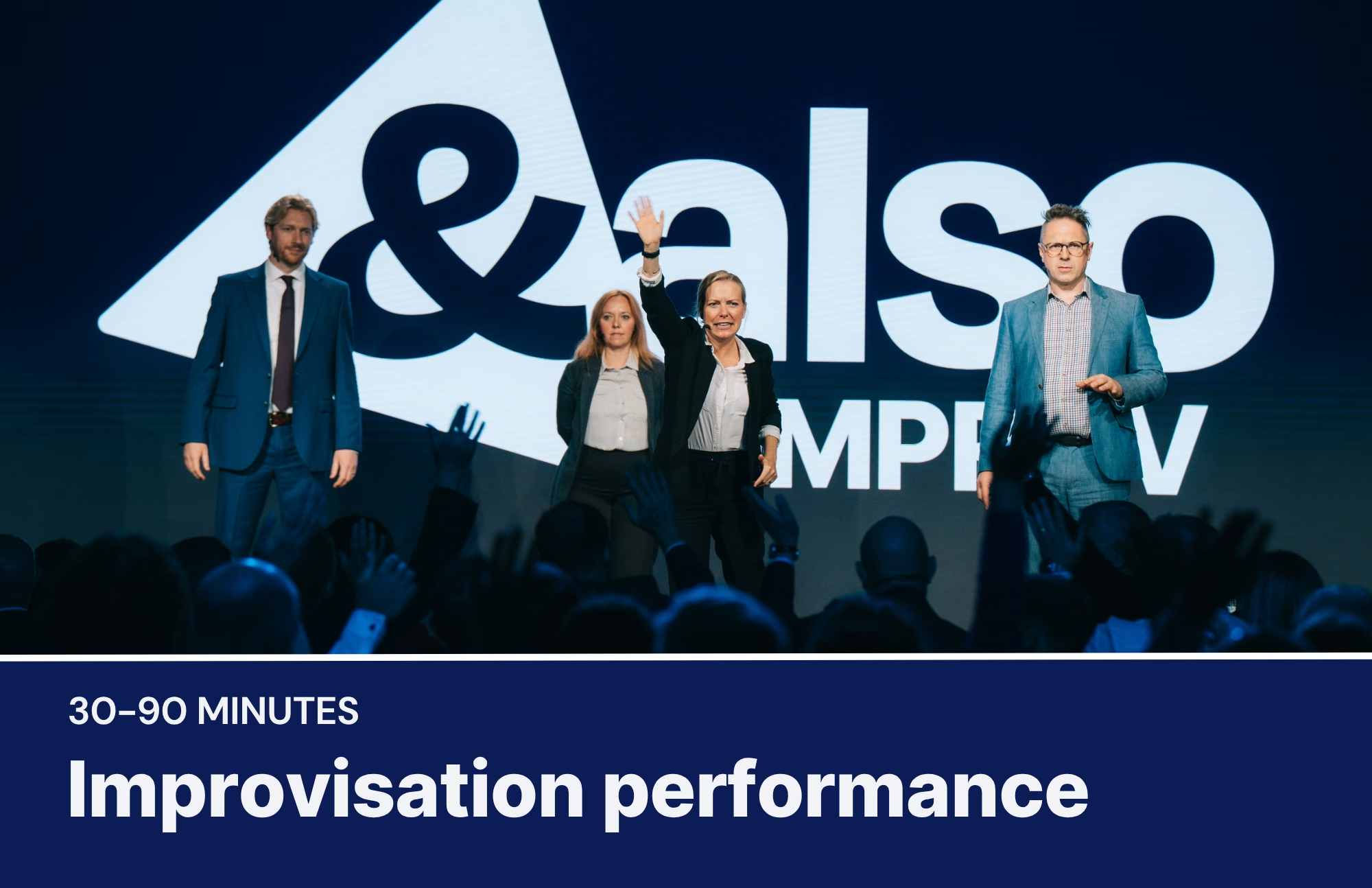
Explore this approach
An improvised show for conferences, dinners, celebrations, or events where you want to bring a group together and create a lively shared experience. Music is optional, and audience participation is designed around the comfort of the group.
- When it fits: At the end of a long or challenging day, when bringing together a group who do not know each other well, or as after-dinner entertainment.
- What we design: A show format shaped around the event, audience and culture, including lighting, sound and staging where needed.
- What it can support: Energy, connection, conversation and a memorable atmosphere.
- Why AndAlso: Our performers have decades of experience and perform regularly across the UK, including at the Edinburgh and Brighton Fringes and in the West End. We can deliver a punchy, memorable show for audiences from 20 to 5,000.
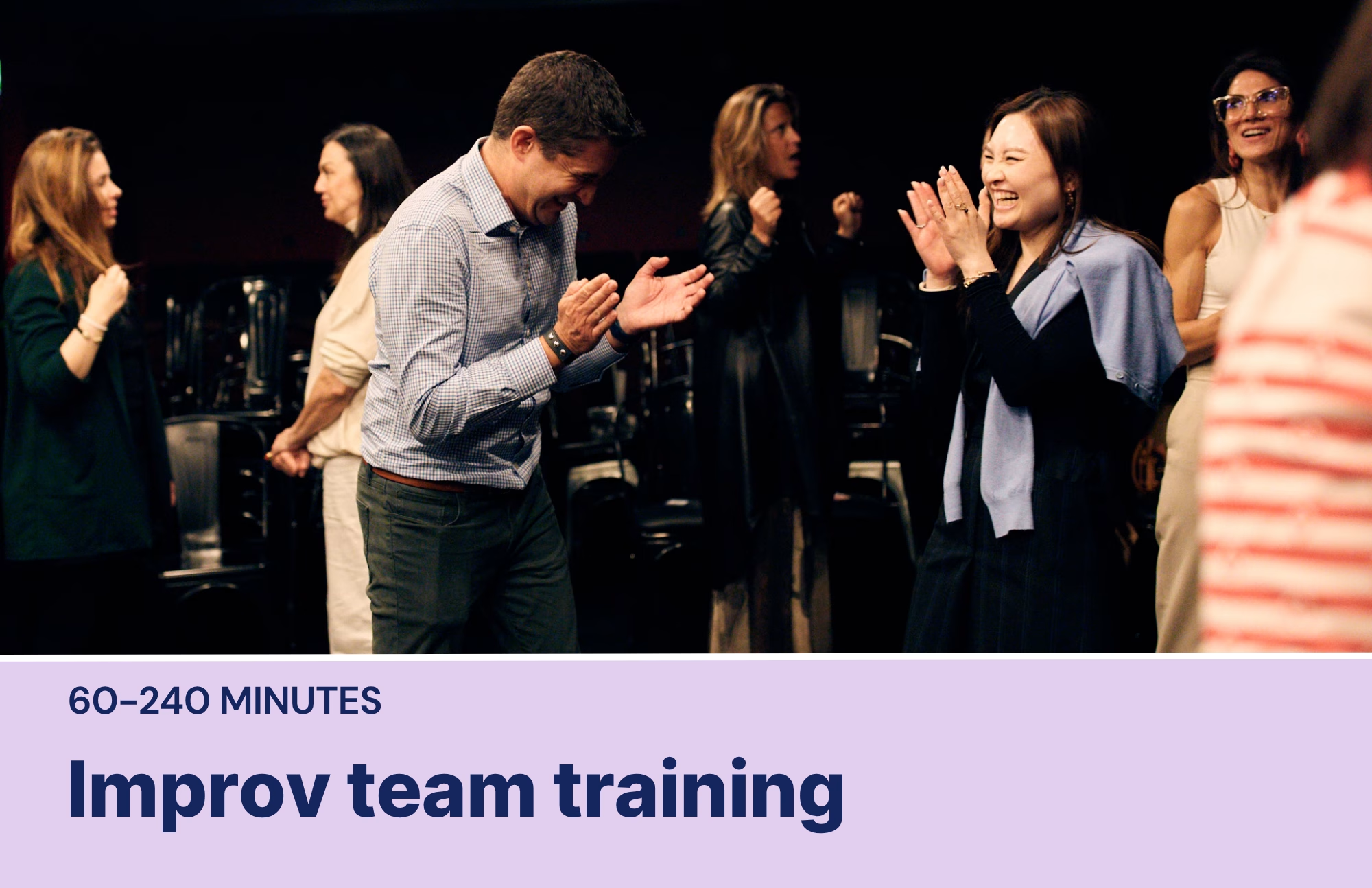
Explore this approach
A playful introduction to the core techniques of improvisation, optionally culminating in a showcase supported by our performers.
- When it fits: When a team is new, mostly works at a distance, or needs a fun, low-pressure way to get people talking and laughing.
- What we design: A playful introduction to core improvisation techniques, optionally culminating in a showcase supported by our performers.
- What it can support: Shared experience, connection, listening, and collaboration outside normal work patterns.
- Why AndAlso: Our teaching experience, flexibility, and tried-and-tested methodology help us create dynamic and accessible spaces for teams to play.
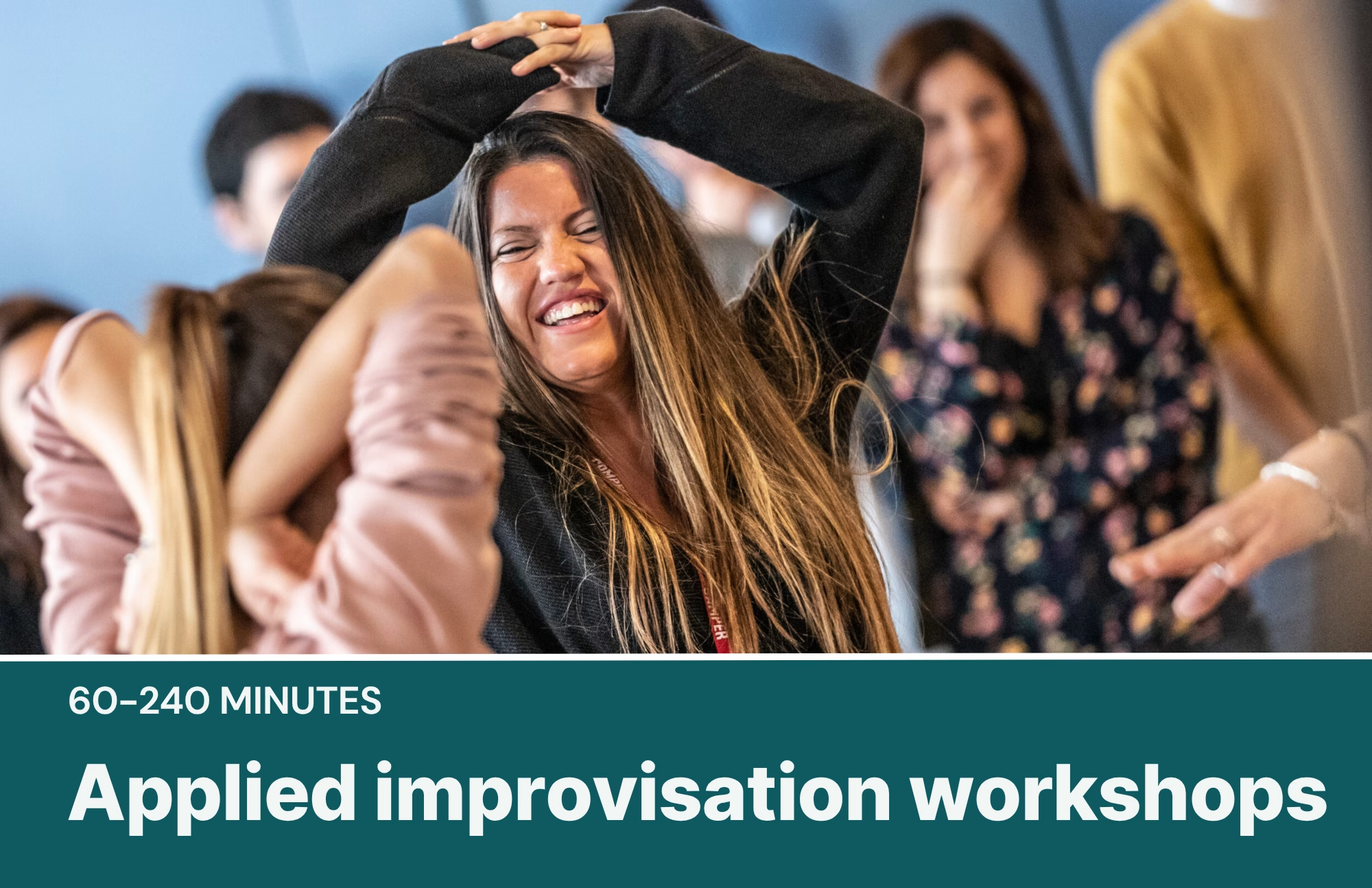
Explore this approach
A more targeted workshop using the Six Skills model to discuss creativity, collaboration and communication skills in a lively, immediate way.
- When it fits: When cooperation is important, but a team needs more shared language around it. This may be during integration, a new project, or a period of change.
- What we design: A targeted workshop using the Six Skills to explore creativity, communication, and collaboration in a lively, applicable way.
- What it can support: A clearer vocabulary for cooperation, reflection on strengths and areas to work on.
- Why AndAlso: Our flexible Six Skills model gives the session focus while leaving room to respond to the group.
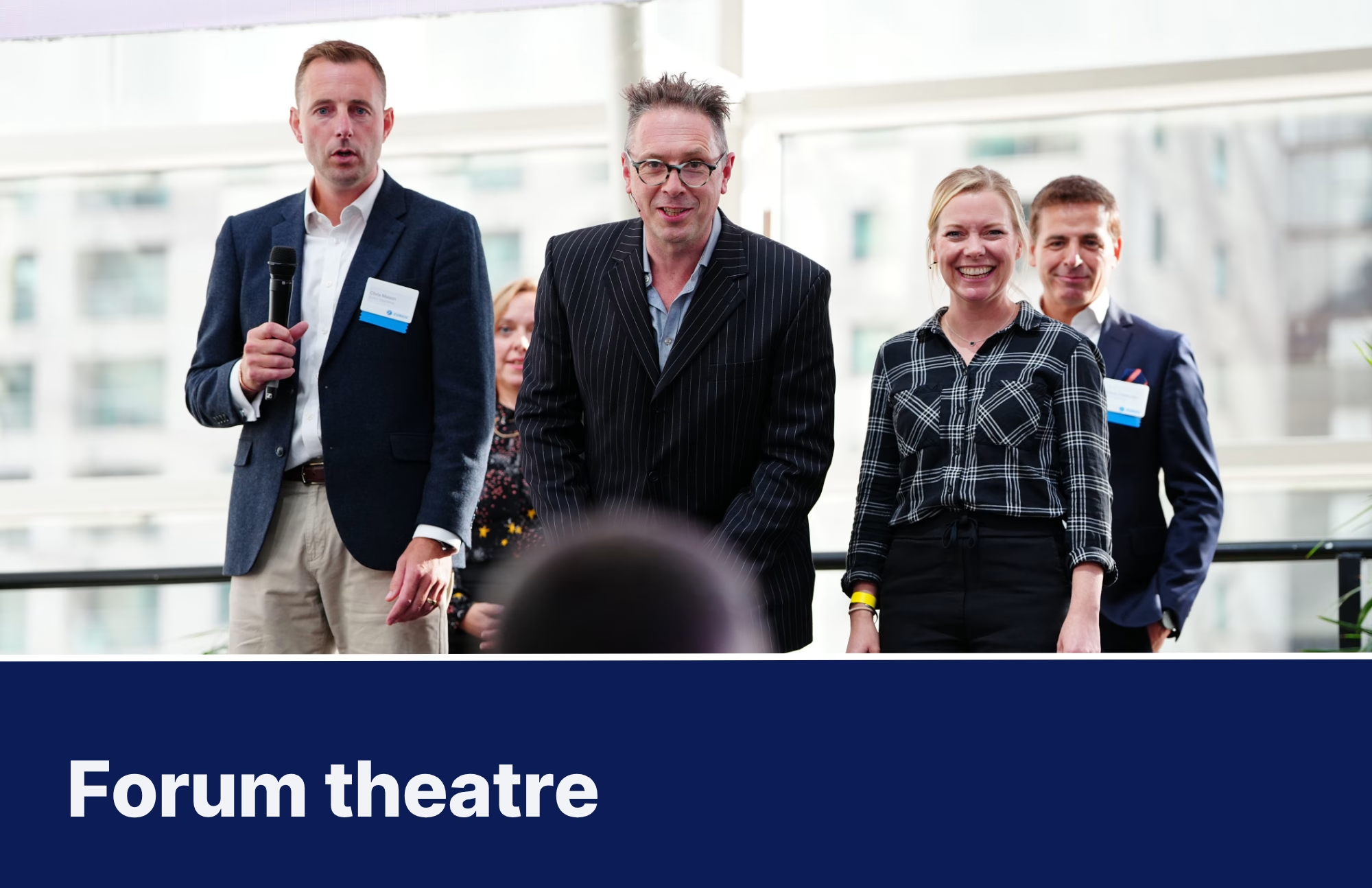
Explore this approach
A guided performance with audience feedback and/or participation to show a variety of possible outcomes.
- When it fits: When you are working with environments, behaviours, or situations where a change in behaviour needs to be explored.
- What we design: Realistic scenarios performed by improvisers. An MC guides discussion and invites the audience to test responses, either by replaying the scenario with changes or participating themselves.
- What it can support: Relevant conversations, shared reference points, and a safe way to examine choices and outcomes.
- Why AndAlso: Our improvisers can balance the comic and the realistic, while experienced MCs keep discussion both focused and welcoming.
Explore this approach
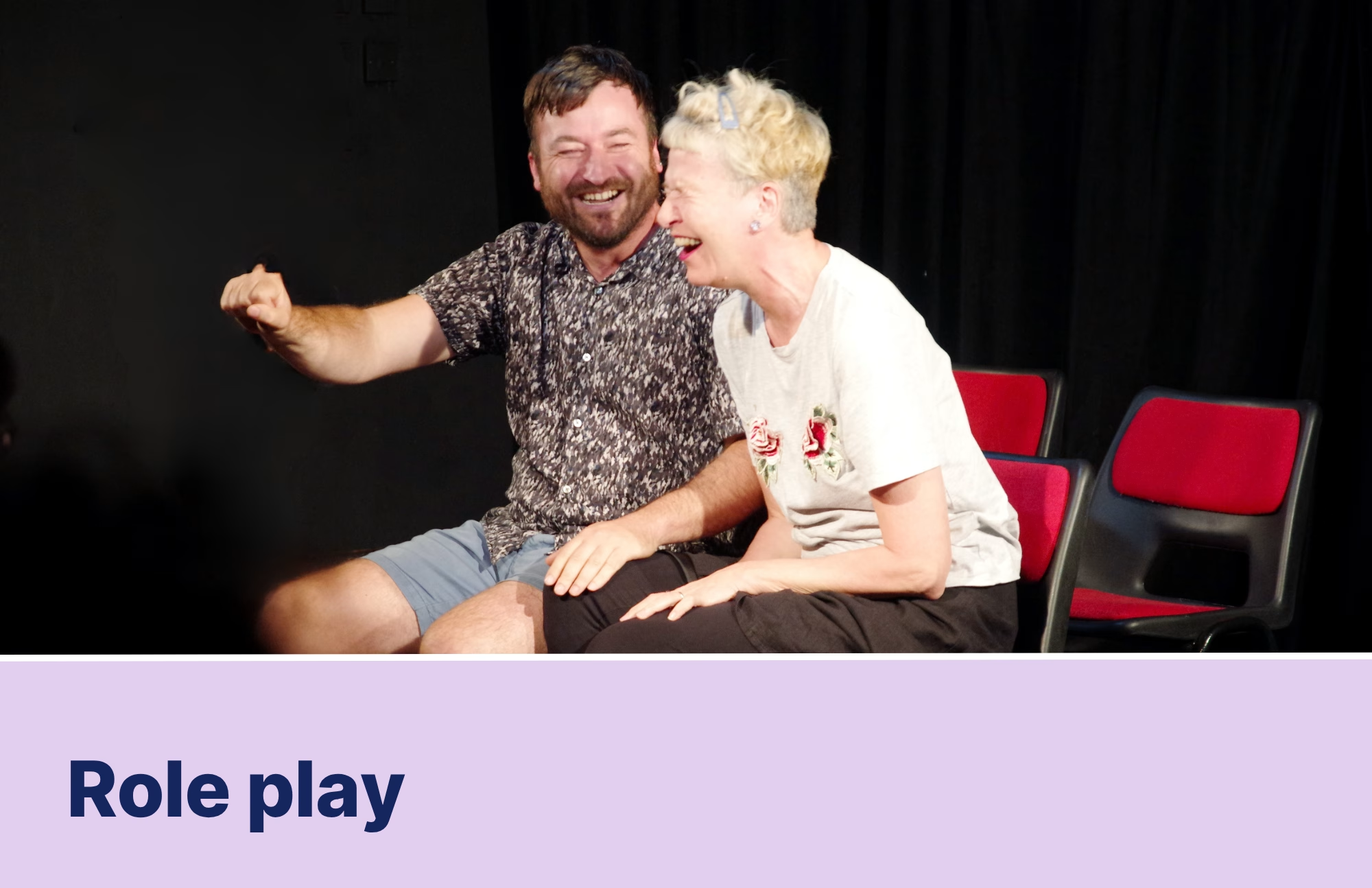
Custom participatory scenarios to provoke discussion and embed learning
- When it fits: When existing training is strong in theory but needs to become more active and memorable.
- What we design: Accurate, relevant simulations built around key learning and expected challenges.
- What it can support: Practice with possible pitfalls, feedback, and greater confidence before participants face a situation “live”.
- Why AndAlso: Our role-plays are much more than a fixed script. Our improvisers respond to the participant and give targeted feedback and suggestions.
Explore this approach
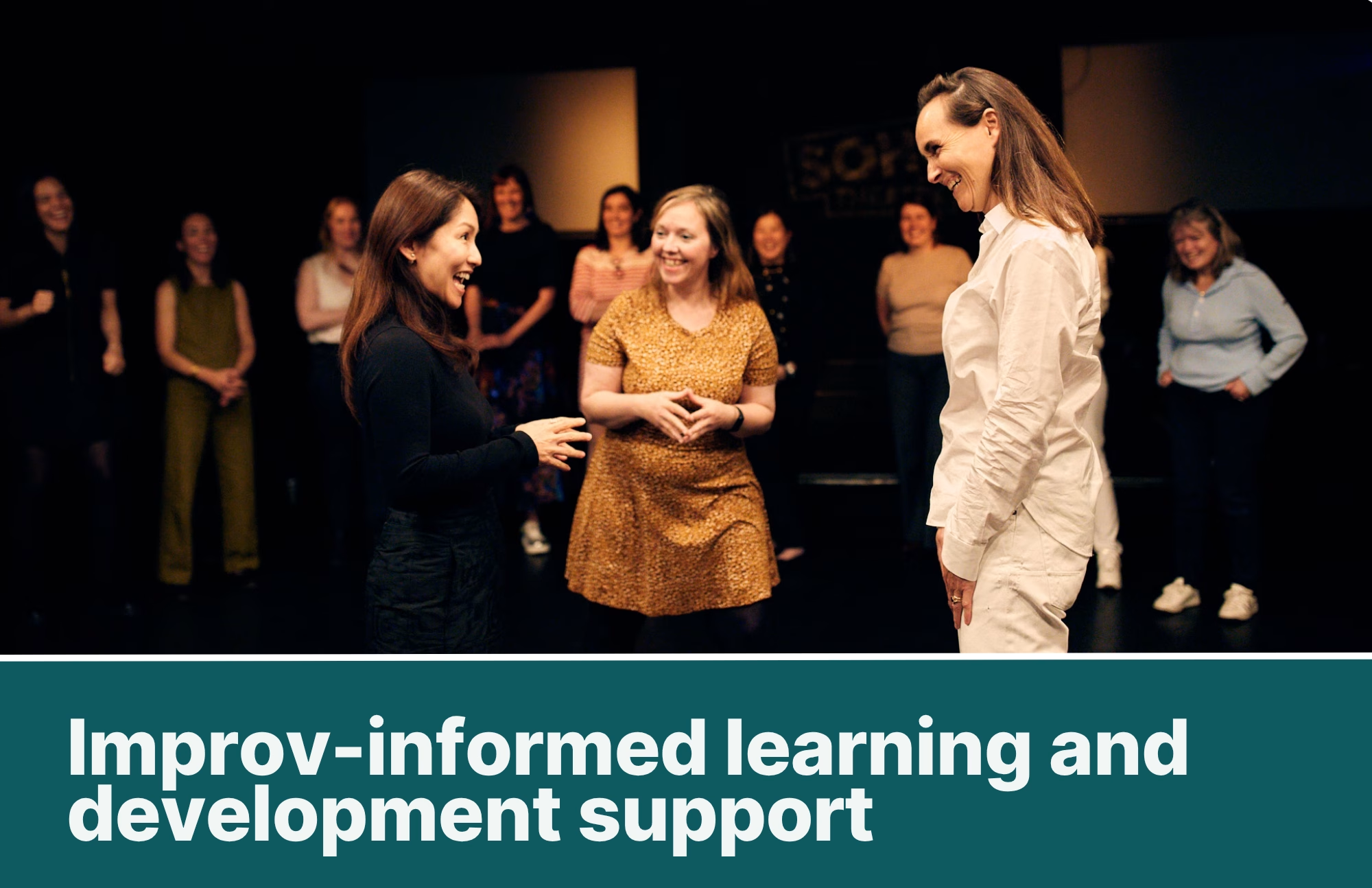
Bespoke Learning and Development/event support to ensure your messaging is clear and your takeaways memorable.
- When it fits: When staff are not accustomed to delivering training, or when material is dry, technical, or difficult to make memorable.
- What we design: We explore the material, desired outcome, challenges, and learner profile, then help shape delivery using your staff, our performers, or a combination of both.
- What it can support: Clearer messages, more memorable takeaways, and opportunities for learners to explore how the material applies in realistic situations.
- Why AndAlso: We have decades of experience in syllabus, material, and session design in a variety of sectors in education. We support your processes, rather than imposing our own.
Helping learning transfer beyond the session
A single session can start a conversation. Follow-up helps people revisit what they noticed and connect it to everyday work. Depending on the brief, we can provide or support materials such as:
- Six Skills cards and/or booklets: Small, practical reminders of our framework with practical advice on how to use the skills.
- Support materials: Other support materials specifically targeted to the needs of the group and the aims of the session.
- Follow-up sessions: Online or in person, giving participants a chance to revisit, expand, and reflect on the skills.
- Train the trainer: We can work with internal ‘Improv Champions’ to support regular practice at lunch or after work.
Designing inclusive, low-pressure sessions
People bring different experiences, confidence levels, neurotypes and communication styles to an improv in the workplace session. We are used to managing all kinds of diversity to create a supportive atmosphere for all. Participants do not need to be quick, loud or funny. We design the experience so that people can understand what is going to happen, take part at a comfortable level and connect the activity to the purpose of the session.
- Written framing: We can help describe the aim, atmosphere and methodology in advance, so participants know what to expect.
- A clear introduction: We explain the skills, structure and approach at the start of the session.
- A welcoming atmosphere: We treat mistakes as part of learning and avoid making people perform where it would not serve them or the session aims.
- Flexible structure: Although our background is in performance, improv does not need an audience to be effective as training or personal development. Many exercises are undertaken in small groups.
Frequently asked questions
No. Our workplace sessions are not auditions or comedy lessons. We explain the structure, pace the challenge, and create ways for people with different confidence levels and communication styles to contribute.
Not exactly. Applied improvisation may use playful exercises and performance techniques, but the design starts with the workplace need. The focus might be communication, collaboration, leadership, behaviour change, learning transfer, or a shared experience at an event.
Team training and applied improvisation workshops usually run for 60–240 minutes. Performances can run for 30–90 minutes. We will recommend a format and length based on the group, event and outcome you are working towards.
Yes. We can explore your material, learner profile and desired outcome, then help you design delivery using your staff, our trainers and performers, or a combination of both.
What size groups can you work with?
We can deliver for groups from 20 to 5,000. Training and workshop formats are shaped around the group and the type of experience you want people to have, so we can discuss what will work best for your setting.
Let’s design the right experience for your team
Not seeing the right fit? Let’s talk about your team’s needs. We have more than twenty years of experience designing and delivering improvisation-based work for workplaces, events and learning programmes. Tell us what you are trying to achieve, and we will create a proposal bespoke to your needs.
You can also explore our popular workplace programmes or browse our workplace case studies to see how applied improvisation has been used in different contexts.