Show Up & Play is a new neuroinclusive improv course at AndAlso Improv in Brighton, running in six-week blocks. It’s a space built with neurodivergent people at its heart, where you can arrive exactly as you are and take part in whatever way works for you on the day.
It’s playful and fun, and it asks nothing of you beyond what you feel able to give. If you’ve ever wondered whether improv is for you, this is a good place to find out.
What we mean by neuroinclusion
Neurodiversity is the natural variety in how all our brains work: how we process information, communicate, focus, and take in the world around us. Neurodivergent is the word many people use when their brain works differently from what society treats as the default. That includes autistic people, ADHDers, dyslexic and dyspraxic people, OCDers like me, and many others.
Neuroinclusion means building spaces where those differences are expected and welcomed, rather than treated as something to work around.
From accommodation to a space built for you
Improv can be, and often is, welcoming to neurodivergent people. In my experience, though, that welcome usually comes as accommodation. The space is built around neurotypical expectations, and adjustments are made for the people who need them.
Those adjustments make a real difference. But they still start from the idea that there’s a standard way to be in the room, and that some people need an exception to it.
Show Up & Play flips that. It’s a neurodivergent-centred space, created with neurodivergent and neurodiverse people at its heart. Neuroinclusive practice isn’t something you have to ask for. It’s just how we work.
Why this matters to me
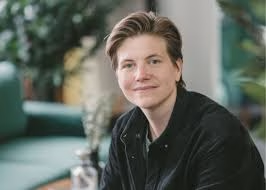 I’m Ali, and I’ll be running Show Up & Play. I’ve performed improv for over fifteen years and taught it for more than ten. I also have OCD.
I was diagnosed a couple of years ago, though the symptoms were there long before that. I spent most of my life living with anxiety, to varying degrees. It’s only since my diagnosis that I’ve understood how much it affected my ability to show up as myself.
For years, I masked. I ruminated over whether I’d done or said the right thing (ironic, I know, for an improviser). I worked hard to come across as controlled, manageable and easy to be around. In a way, I was performing a version of myself, the one I thought other people needed, while hiding how anxious I actually was.
I’d get incredibly anxious before performing, and afterwards my inner critic would replay everything. Had I said the right thing? Was it good enough? That could easily have stopped me from performing, or wanting to do improv at all.
Looking back, I’m not sure how I pushed through at times. I do know the way I pushed through wasn’t always good for me. I can’t overstate how exhausting the masking was, and it played a part in several periods of significant burnout.
There’s a real irony about me doing improv. OCD is a condition of doubt and therefore trying to control everything in a world that can’t be controlled. Improv is about sharing and often relinquishing control and not knowing what comes next.
There may be a touch of masochism in me doing improv at all. But I’m under no illusions about how important it has been to getting me through life with OCD. It’s been a reminder that we are fundamentally very chaotic, and complicated land mammals.
That’s why neuroinclusion matters so much to me. I know the obstacles that neurodivergence or a mental health condition can put between you and something like this: energy, self-doubt, and all the effort we put into masking to seem acceptable and palatable to other people.
Show Up & Play is my answer to a question. How do we create a space that asks far less masking of people, and gives them back choice over how they use their energy and brain capacity?
What it looks like in the room
Everything is an invitation; nothing is a demand. That’s central to how I teach anyway, and this course is built on it.
Sessions will be fun and playful, full of games and exercises that are nourishing and that test and stretch you too. What’s different is that you decide how you manage your presence in the space.
There’s no expectation to perform, and no right way to behave or take part. Rest whenever you need to: take time out, step outside for fresh air, and come back when you’re ready.
Watching counts too. Observing is a really good step into this kind of practice, and I actively encourage it.
We’ll mix group activities, pair work and quieter moments for individual reflection. I’ll keep the room as calm and flexible as I can, with less ambient noise and some flexibility around lighting.
If you want to rock up, do a couple of exercises and watch the rest, that’s absolutely encouraged. If you arrive thinking you won’t do anything and end up doing everything, that’s equally good.
Who it’s for
Show Up & Play is for anyone who wants to come as they are. Maybe it’s energy levels, bandwidth, managing spoons, or something else entirely. You don’t need a diagnosis to join, and you don;t need any improv experience.
It’s especially for people who have ever felt that improv might not be for them, but still have enough of a question mark to want to find out. Give it a test, give it a play, and see what you make of it.
How the course works
Show Up & Play runs in six-week blocks. You can book a single block to try it out, or book several and keep coming back to play.
- When: TUESDAYS, from 5th January, 19:30-21:30
- Where: Brighton
- Cost: General Tickets £150 / Concessions £105 / Scholarships and Pay-in-3 tickets available
- Book: Show Up & Play
I’ve taught improv in lots of formats over the years: short-form, long-form, intensives, long and indulgent, short and punchy courses, online, irl, and slower, more restful sessions. There’s so much variety in improv, and AndAlso runs plenty of courses and events. If Show Up & Play feels good, it’s a lovely way to get stuck in, and there’s lots more to explore afterwards if you fancy it.
Always a work in progress
I’m not claiming to have all the answers. All I know is what I’ve experienced, and what many of the people I’ve worked with have experienced. They’ve shaped and improved my practice over the years.
One of the most important things about inclusion is never thinking it’s solved. I won’t tell you this is a 100% neuroinclusive space, job done. Improv teaches us that we’re always building and shifting, and so much of what we do is responding to the group.
Whatever access and inclusion needs the group brings, it’s my job to adapt to them, and to let our group dynamic steer us in the right direction. If you ever have feedback for me, I’m all ears.
My aim is never perfection. OCD tells me perfection is achievable and desirable, but I know now it’s a carrot that stays just out of reach, however far you stretch. But it’s nice to keep stretching in that direction, anyway.
Making it work for you
I hope improv is inclusive at its heart, but I know it isn’t always in practice. Access to the space, confidence, energy, childcare or caring responsibilities can all get in the way.
I can’t remove every obstacle. But the ones I can manage, or help you manage, I’m as keen as anything to sort out with you. If something might stop you from coming, get in touch at hello@andalsoimprov.com and we’ll talk it through.
I’d love to see you there, however you choose to show up.
Nov 9, 2026